
The Ultimate Guide to Garage Door Care Maintenance in Colorado Springs
Garage doors do a lot more than open and close. They affect how your home looks, how it functions each day, and how well it protects your vehicles, belongings, and the space inside. Knowing how to take care of your garage door can help you avoid common problems and keep the system working properly for longer. When a garage door is working as it should, it is easy to overlook. When it starts sticking, shaking, dragging, or making noise, it quickly becomes hard to ignore.
That is why regular garage door care matters. A simple maintenance routine can help you spot wear early, keep key parts working properly, and lower the chance of bigger repair issues later. It also helps protect the parts that handle the daily work, including the springs, rollers, tracks, seals, and garage door opener.
In Colorado Springs, that regular attention matters even more. Cold weather, hail, dry air, wind, dust, and strong sun can all wear on a garage door over time. If you want to maintain your garage door and keep it running smoothly, it helps to know what to check, what you can safely handle yourself, and when it is time to call for professional garage door service.
Why Garage Door Care Matters in Colorado Springs
Garage doors in Colorado Springs deal with more than daily use. They also deal with changing weather conditions that can affect how the door looks, moves, and seals over time. Regular garage door maintenance helps you catch early wear, protect garage door parts, and keep your door running smoothly through the seasons.
A few local conditions can take a toll on garage doors faster than many homeowners expect:
- Hail and wind can dent panels and loosen hardware
- Cold weather can affect springs, rollers, and other moving parts
- Dust and dry conditions can collect around tracks, hinges, and seals
- Strong sun can wear on finishes, paint, and exposed materials
- Daily opening and closing adds steady wear to the whole system
Routine maintenance helps prevent small issues from turning into larger repairs. It also helps your garage door stay reliable, quieter, and safer to use throughout the year.
Garage Door Maintenance Tips Every Homeowner Should Know
Most garage door care comes down to a few basic habits. When these are part of your maintenance routine, it becomes easier to catch wear early and keep your garage door in good condition.
Routine inspections
A visual check can tell you a lot about the condition of your garage door. Look over the system regularly for signs of wear, damage, or anything that seems out of place.
- Check hinges, brackets, rollers, and hardware for wear or looseness
- Look at springs and cables for visible rust, fraying, or gaps
- Watch how the door opens and closes
- Pay attention to shaking, hesitation, or uneven movement
Proper lubrication
Lubrication is one of the most important garage door maintenance tasks because it helps reduce friction on moving metal parts.
- Apply garage door lubricant to hinges, rollers, springs, and bearings where appropriate
- Use a product made for garage door use
- Avoid general household sprays that are not meant for garage door parts
- Do not over-apply lubricant
Clean garage door tracks and surrounding areas
Dirt and buildup can affect door operation over time. Keeping the track area clear is a simple part of regular garage door maintenance.
- Remove leaves, dust, and loose debris near the tracks
- Wipe the track area with a dry or slightly damp cloth
- Check for buildup that could affect roller movement
- Do not try to force bent tracks back into place yourself
Check seals and weatherstripping
The bottom of your garage door and the perimeter seals help block out dirt, moisture, and outside air.
- Check for cracks, stiffness, gaps, or worn rubber
- Replace weatherstripping when it starts to fail
- Pay closer attention after freezing weather, hail, or heavy rain
Keep the door surface clean
Regular cleaning is not just about appearance. It also helps you notice wear sooner and helps protect the material.
- Clean your garage door with mild soap and water
- Remove dust, grime, and seasonal buildup
- Watch for peeling paint, fading, or worn areas
- Keep stain, paint, or finish in good shape to support the life of your door
Pay attention to balance and movement
A properly balanced door should move smoothly and stay controlled during operation. If the door feels heavy or uneven, that usually points to a bigger issue.
- Notice if one side moves differently than the other
- Watch for jerky movement or extra strain during use
- Take heaviness seriously if you open the door manually
- Leave spring and tension adjustments to a professional garage door technician
Staying on top of these basic care areas can go a long way in keeping your garage door running smoothly and helping you avoid more serious repairs.
Garage Door Maintenance Checklist
A garage door maintenance checklist makes it easier to stay consistent. Breaking maintenance into monthly, seasonal, annual, and post-storm checks keeps the routine simple and manageable.
Monthly garage door maintenance checks
These are quick checks that help you stay aware of how your garage door is working.
- Watch how the door opens and closes
- Listen for squeaking, grinding, rattling, or straining
- Check the bottom seal for visible wear or gaps
- Make sure photo-eye sensors are clean
- Look for loose or damaged hardware
- Test the opener, remote, and wall switch
Seasonal garage door maintenance tasks
These checks help address wear occurs over time and changes with the weather.
- Clean the garage door surface
- Clear debris around the garage door tracks
- Lubricate moving metal parts
- Inspect weatherstripping and seals
- Look for signs of drying, cracking, or finish wear
- Check for buildup caused by dust, grit, or storm debris
Annual garage door service and safety checks
A yearly review helps catch issues that are harder to spot during quick routine checks.
- Test door balance
- Test the auto-reverse safety feature
- Watch for heavy or uneven movement
- Have springs, cables, rollers, and opener settings inspected
- Schedule garage door service if anything feels off or sounds unusual
Garage door checks after hail, wind, or freezing weather
Colorado weather can cause visible and hidden wear, so storm checks are worth doing.
- Check panels for dents or impact damage
- Inspect seals for tears, cracks, or gaps
- Make sure the door still opens and closes properly
- Look for loosened hardware after strong wind
- Check the opener response after a storm or power interruption
A simple checklist helps you maintain your garage door without turning it into a complicated project. The goal is steady attention, not overdoing it.
How to Inspect Your Garage Door for Early Signs of Trouble
Routine inspections help you catch small issues before they become larger repairs. A quick visual review, combined with watching how the door operates, can tell you a lot about the condition of the system.
Check vital garage door parts
Start with the parts you can safely see. You are looking for visible wear, damage, or anything that does not look right.
- Rollers: cracks, chips, rust, or rough movement
- Hinges and brackets: loose hardware, bending, or worn mounting points
- Springs and cables: gaps, fraying, rust, or stretching
- Tracks: dents, obstructions, or heavy buildup
- Door panels: cracks, dents, sagging, or separation
- Bottom seal: splits, stiffness, or gaps along the base
Watch how the door moves
Movement often reveals problems before a part fully fails.
- Look for jerking, hesitation, or shaking
- Check whether the door moves evenly on both sides
- Notice if it opens more slowly than usual
- Pay attention if the door feels heavy during manual movement
Listen to your garage door
Listening to your garage door can help you catch wear early.
- Squeaking: often points to dry parts
- Grinding: may suggest worn or struggling components
- Rattling: can mean loose hardware or vibration
- Straining: can mean the opener is working harder than it should
Routine garage door inspections do not take long, but they can make it much easier to catch developing issues before they interrupt daily use.
How to Clean and Lubricate Your Garage Door
Regular cleaning and lubrication are two of the most useful garage door maintenance tips because they help reduce wear and support smoother door operation. These tasks also make it easier to notice damage, buildup, or worn parts while you work.
Step 1: Disconnect the opener
Before you begin, disconnect the opener or switch off the power so the door does not move while you are working.
Step 2: Clean the garage door surface
Use mild soap and water to clean the garage door. Wipe it down with a soft cloth or sponge, rinse away residue, and let the surface dry. As you clean, look for fading, peeling, worn finish, or visible surface damage.
Step 3: Clean around the garage door tracks
Remove dust, leaves, and loose debris around the tracks. Wipe the surrounding area with a dry or slightly damp cloth. This helps keep the rollers moving more freely and gives you a chance to spot buildup or visible track damage.
Step 4: Lubricate hinges and rollers
Apply a small amount of garage door lubricant to hinges and metal rollers. Open and close the door manually to help spread the lubricant evenly. Keep it light. Too much product can attract dirt.
Step 5: Lubricate springs, bearings, and pulleys where appropriate
A light application in the right spots can help reduce friction and noise. Do not attempt to adjust or repair springs while doing this.
Step 6: Check the garage door opener system
If you have a chain-drive garage door opener, apply a small amount of lubricant to the chain if needed. For other opener types, check the manufacturer's guidance. You can also inspect the arm bar and moving connection points for wear.
Step 7: Test how the door works
Reconnect the power and test the system. Open and close the door a few times and pay attention to noise, movement, and response.
What to avoid
Some mistakes can create more problems than they solve.
- Do not use harsh chemicals on the door
- Do not use abrasive pads or rough brushes
- Do not apply lubricant to the tracks
- Do not try to repair bent tracks or damaged springs yourself
A regular cleaning and lubrication routine helps keep your garage door in good condition and supports smoother day-to-day operation.
How to Tell if Your Garage Door Is Out of Balance
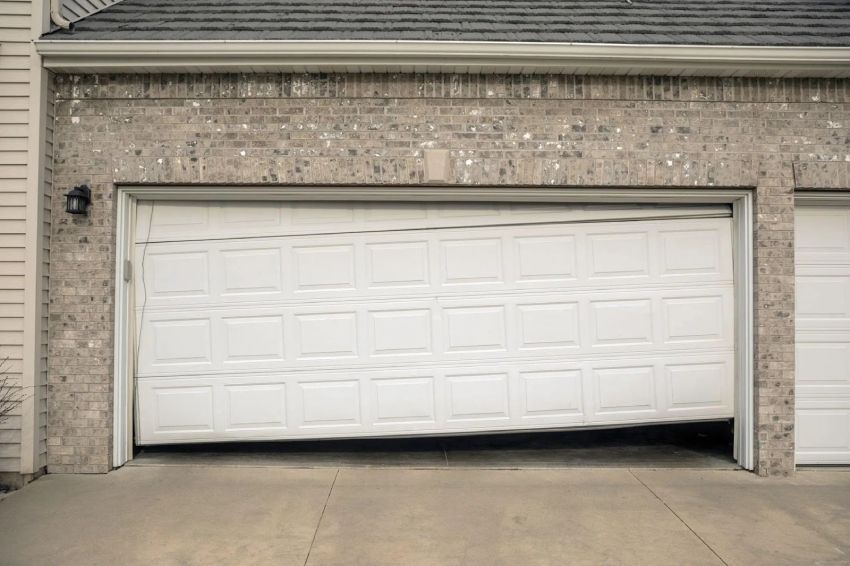
A properly balanced door should move smoothly and stay in place when lifted. When the balance is off, it can place extra strain on the opener and wear down other garage door parts faster.
How to check for garage door balance problems
- A basic balance check can help you tell if the system is under strain.
- Disconnect the opener using the release cord
- Lift the door halfway and let go carefully
- Watch how the door responds
- The door should remain in place rather than rising or falling
- Pay attention to heaviness, uneven movement, or a fast drop
- Listen for grinding, squeaking, popping, or banging
- Look for visible rust, gaps in the springs, or signs of strain
Why garage door balance problems should not be ignored
Balance issues affect more than just movement. They can also affect safety and long-term wear.
- The garage door opener has to work harder
- Rollers, springs, and hardware can wear out sooner
- The door may move unexpectedly
- Daily operation can become rough, noisy, or unreliable
If the door does not stay in place or feels off during a balance check, it is best to call a professional garage door technician. Spring and tension issues should always be handled by someone with the right training.
Seasonal Garage Door Care for Colorado Weather
Garage door care in Colorado Springs should change with the seasons. Local weather can affect seals, finishes, hardware, and door movement in different ways throughout the year.
Winter garage door care
Cold temperatures and moisture can create problems around the bottom of the door and in moving parts.
- Check if the bottom seal is sticking to the ground
- Look for cracked or brittle weatherstripping
- Pay attention to slower or heavier movement
- Clear away snow, moisture, and grit near the base of the door
Spring and fall garage door care
These seasons are a good time to reset your maintenance routine and check for wear caused by changing temperatures and wind.
- Inspect hardware for looseness after windy days
- Look at seals and finishes for dryness or wear
- Check for uneven movement as temperatures shift
- Clear away dust and debris around tracks and rollers
Summer garage door care
- Summer in Colorado Springs often brings strong sun, dry conditions, and sudden storms.
- Inspect the door after hail or wind
- Check panels, finishes, and exposed hardware for damage
- Look for paint or stain wear caused by sun exposure
- Test the opener response after storm activity or dust buildup
What to check after a Colorado Springs storm
- Storm checks help you catch weather-related wear early.
- Look for dents, impact marks, or loose hardware
- Make sure tracks and rollers still allow smooth movement
- Check the bottom seal for gaps or tears
- Test how the opener responds after the weather passes
Seasonal garage door maintenance helps you stay ahead of local wear patterns and gives your garage door a better chance of lasting well over time.
Troubleshooting Common Garage Door Issues
Garage doors often show small signs of trouble before they stop working properly. Knowing what to look for can help you decide whether the issue needs a quick maintenance check or professional garage door service.
Noisy garage doors
- Noise is one of the most common warning signs.
- Squeaking or rattling often points to dry rollers, loose hardware, or worn hinges
- Grinding or popping can suggest more serious wear or spring trouble
- Start by checking for loose bolts, worn rollers, and parts that may need lubrication
Frozen garage door
- Cold weather can cause the bottom of the door to freeze to the ground.
- Melt the ice carefully or use a standard de-icing product
- Clear away slush or buildup around the base
- Do not force the door open or damage the bottom seal trying to free it
Garage door opener problems
- When the opener does not respond properly, the issue may not be the motor alone.
- Check the power source
- Make sure the photo-eye sensors are clean and aligned
- Test the remote and the wall switch
- Look for movement issues caused by rust, buildup, or worn rollers
Worn or failing springs
- Spring wear often changes how the door feels and how the opener sounds.
- The door may feel heavy when lifted manually
- The opener may sound strained
- The door may not open and close the way it should
Spring replacement is not a DIY repair. If you suspect spring trouble, call for garage door service.
What You Can Do Yourself and When to Call for Garage Door Service
Some maintenance tasks are safe for homeowners, while others should always be left to a professional. Knowing the difference helps you care for your garage door without creating added risk.
What you can do yourself
There are many maintenance tasks homeowners can handle safely as part of a regular routine.
- Inspect the door for visible wear or damage
- Clean your garage door and remove surface buildup
- Clear light debris around the tracks
- Lubricate accessible moving parts with the right product
- Check weather seals for cracks or wear
- Test the opener, remote, and wall switch
- Replace remote batteries
- Watch for slow movement, unusual sounds, or uneven operation
When to call for garage door service
Some issues point to mechanical, balance, or safety concerns that should not be handled without training.
- The door is off track or visibly uneven
- Springs or cables look damaged or worn
- The door feels heavy or difficult to lift
- The opener stops working properly
- The door does not open or close all the way
- You hear grinding, popping, or banging
- There is hail, storm, or impact damage
- The door does not stay in place during a balance check
Basic upkeep can help you catch smaller issues early, but repairs involving tension, alignment, or major components should always be handled by a professional garage door technician.
Garage Door Care FAQs
How often should garage door maintenance be done?
A quick check each month is a good habit, with more thorough garage door maintenance tasks handled seasonally. Most homeowners should also schedule professional garage door service once a year, especially if the door is used often.
What parts of a garage door need regular lubrication?
Garage door rollers, hinges, springs, bearings, and other moving metal parts may need lubrication as part of routine maintenance. The tracks should not be lubricated. Use a product made for garage door use and apply it lightly.
How do I know if my garage door needs professional service?
Signs that it may be time to call include heavy movement, an uneven door, loud grinding or popping, opener strain, damaged springs or cables, or a door that does not open and close properly.
Can Colorado weather affect garage door maintenance?
Yes. Colorado Springs weather can affect seals, finishes, panels, and moving parts. Cold temperatures, hail, wind, dry air, dust, and strong sun can all wear on the system over time, which is why seasonal garage door care matters.
Is garage door maintenance really necessary if the door still works?
Yes. A garage door can still appear to work while parts are wearing down in the background. Regular garage door maintenance helps catch those issues earlier and can help extend the life of your door.
Contact Your Local Garage Door Company in Colorado Springs
Garage door care does not have to be complicated, but it should be consistent. With regular cleaning, lubrication, inspections, and seasonal checks, you can catch problems earlier and keep the system working the way it should.
If you have questions about how to take care of your garage door, or you have noticed a problem that needs professional attention, contact Tri-Lakes Garage Doors. Our team is here to help homeowners in Colorado Springs with inspections, maintenance, and repairs.