How to Choose a Custom Garage Door for Your Home
By Jim Hatley, September 30, 2026
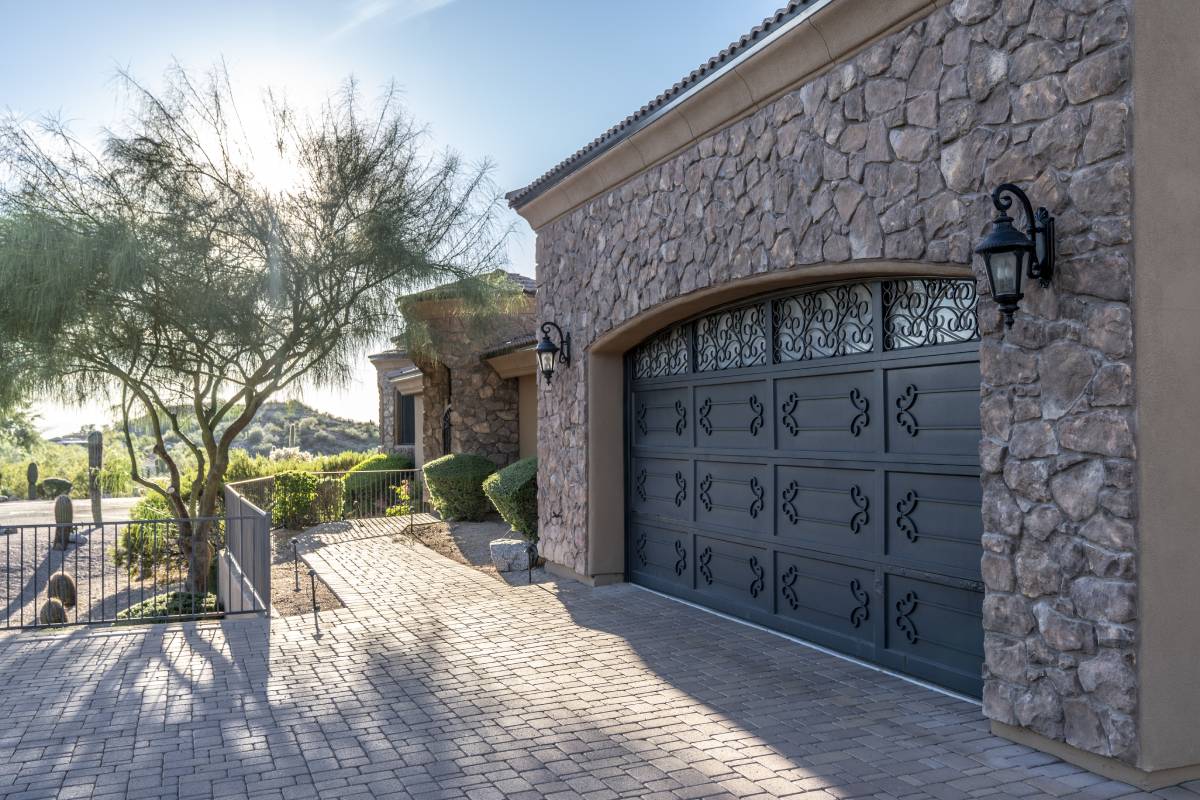
Choosing a custom garage door starts with the size of the opening, available space, budget, insulation needs, and architectural style of your home. The right door should fit correctly, operate safely, withstand local weather, and provide the appearance and performance your property requires. This guide compares door configurations, materials, designs, windows, insulation, colors, and openers. Use it to narrow your options before arranging professional measurements and discussing installation requirements.
Before we look at the customization features of garage doors, we need to look at the basics of garage doors as well as popular designs. Understanding these points will help you select a garage door best suited for your home. Once you have the basics down and have done your homework, you can then go on to find a design and customization that matches your style.
How to Find the Best Garage Door for Your Home
There are a few options available to you when selecting a garage door. How do you choose the best garage door with so much available information? First, you need to look at the key features of a garage door and how your particular garage fits these features.
Considerations before choosing your garage door:
What Are the Dimensions of Your Door?
You need to measure the dimensions of your door so that you can size up your new custom garage door to perfection. Make sure to double-check your measurements for accuracy.
Calculate Your Budget
How much are you able to spend on a garage door? The price of the door itself will vary depending on the material used and the size of the door. If your budget is lower, we recommend looking at steel, fiberglass, or aluminum options, as some wooden doors can be pricey, especially if treatment is needed.
What Style Are You Looking For?
There are different types of garage styles, such as reverse gable, gambrel, contemporary, raised-panel, and carriage house. The type of door frame determines the style you can have. We take a look at various design styles in this article to help you make your selection. The design will have a huge impact on the final look of your garage. You, therefore, need to carefully decide on the material and style of the door before installation.
How Will You Use Your Garage Space?
The type of garage door you choose will partly be determined by whether you are parking your car in the space or using it as a workshop or other utility room. The insulation capacity is important when considering these factors. Insulation with a higher R-value will be used if you need the garage to have warmth during the colder months. If you are using the garage as a workshop, this may be something to consider.
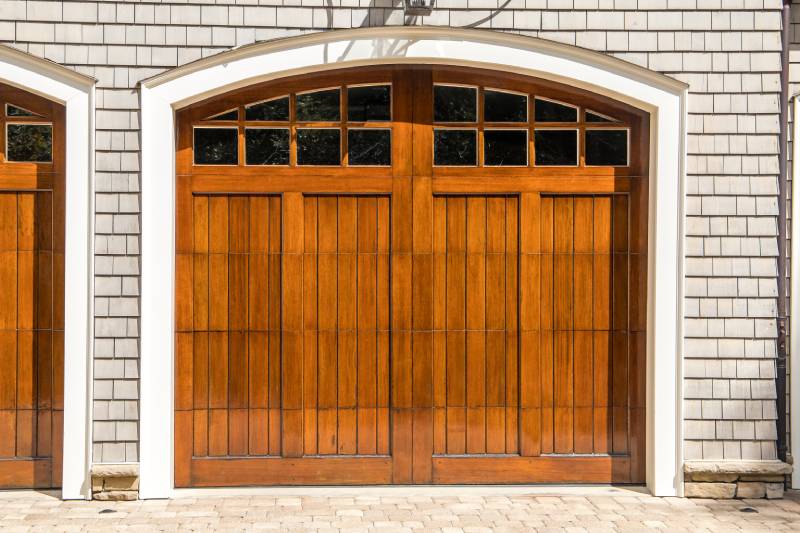
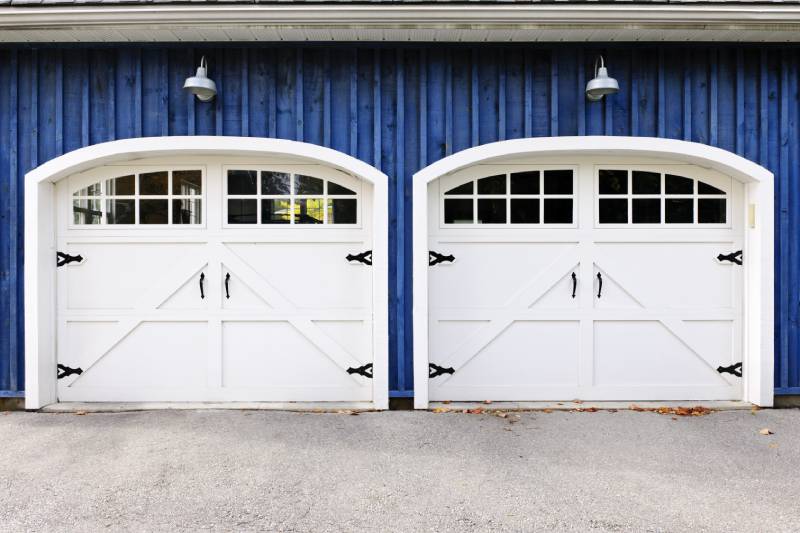
Common Garage Door Designs
The main types of garage doors are distinguished by how they open and where their panels and tracks travel. Door configuration should be evaluated separately from material or architectural style. Available space, opening size, ceiling clearance, and intended use will influence which configuration is appropriate.
1. Raised-Panel Garage Doors
The raised-panel design used in garage doors has become a standard choice for homeowners. Often made of steel, aluminum, or fiberglass, the design suits most home styles and is excellent for those looking for higher R-values.
2. Contemporary Designs
Contemporary garage doors are a popular choice among those with modern taste or for homes with a modern-style feel. The design comprises contemporary elements such as glass panels and aluminum frames. Steel is also often used for contemporary doors, while wood doors can provide a classic touch.
3. Sectional Garage Doors
Sectional garage doors are popular for those in areas prone to bad weather conditions as they contain insulation that is perfect for excess water and wind. They are typically made from steel and optimize the garage space available.
4. Roll-up Doors
Roll-up doors are a compact choice for smaller homes. They are comprised of insulated aluminum panels that don’t take up much space in the garage. With easy-to-use remote controls and a long lifespan, they continue to remain a popular choice among homeowners.
5. Swing Garage Doors
Swing garage doors have one or two panels that are made from high-resistance steel. Swing doors are easy to fit into homes with enough horizontal space in front of the garage opening, making it a good choice for those looking for a classic door.
6. Sliding Garage Doors
Sliding garage doors move horizontally and have insulated panels. They can be made to operate manually or remotely. This design is low maintenance and creates less noise compared to traditional garage doors, making it a good choice for those with quieter neighborhoods.
Modern vs Traditional Garage Doors
Choosing between modern vs traditional garage doors depends on the architecture of your home, the exterior materials, and the level of decorative detail you prefer. Both approaches can be customized through different materials, colors, windows, panel layouts, and hardware.
Modern Garage Doors
Modern designs typically use clean lines, flush or horizontal panels, minimal hardware, and neutral finishes. Aluminum frames, glass panels, steel, wood, and composite materials may all be used to create a contemporary appearance. These doors often complement homes with simple rooflines, large windows, and restrained exterior detailing.
Traditional Garage Doors
Traditional designs commonly feature raised or recessed panels, symmetrical windows, decorative hardware, and carriage house details. Steel, natural wood, and wood-look composite materials can be used to coordinate the door with brick, stone, siding, or other classic exterior finishes.
Compare Garage Door Materials
The best material depends on the desired appearance, maintenance level, insulation, door weight, exposure, and budget. Do not assume that one material is automatically suitable for every home.
Steel Garage Doors
Steel is available in many panel designs, finishes, and insulated constructions. It generally requires less routine refinishing than natural wood, but the coating should still be maintained and damaged areas addressed to limit corrosion. Door construction, rollers, tracks, and opener selection influence operating noise more than the exterior material alone.
Wood Garage Doors
Natural wood provides distinctive grain, depth, and architectural character. It can be painted or stained and built in traditional or contemporary designs. However, wood generally requires periodic finishing and inspection to manage moisture, sunlight, and temperature exposure. Its weight may also affect the spring and opener requirements.
Aluminum and Glass Garage Doors
Aluminum frames combined with glass or alternative panel materials are frequently used for modern designs. They can introduce natural light and create a clean appearance. Consider privacy, glare, insulation, panel durability and how the finish will perform in the property’s exposure.
Fiberglass and Composite Garage Doors
Fiberglass and composite products can reproduce painted or wood-look finishes while offering different maintenance characteristics from natural wood. Construction quality, insulation, and resistance to impact or weather vary by manufacturer and product line. Review the specifications and warranty before deciding.
For a more detailed comparison, read our guide to wood vs. steel garage doors.
Choose Garage Door Insulation for Colorado Conditions
Insulation may be especially relevant for an attached garage, a frequently used workspace, or a garage containing plumbing and temperature-sensitive belongings. Compare the complete door construction rather than selecting a product based only on a single insulation number.
R-value indicates resistance to heat flow through the material, while overall performance is also affected by panel joints, perimeter seals, windows, and air leakage. A higher R-value may support temperature control, but it does not independently determine how the entire garage will perform.
For Colorado properties, discuss winter temperatures, direct sunlight, wind exposure, elevation, and whether the garage shares conditioned walls with the home. These details can help determine an appropriate door construction and seal package.
Pros and Cons of Garage Door Windows
Benefits of Garage Door Windows
- Bring natural light into the garage
- Break up the appearance of a large door
- Coordinate with windows elsewhere on the home
- Support traditional, carriage house, or contemporary designs
Considerations Before Adding Windows
- Clear glass may reduce privacy
- Window placement should account for visibility from outside
- Glass and frame construction can affect insulation
- The window design should suit the door and home
- Cleaning and maintenance requirements may increase
Frosted, tinted, obscure, or strategically positioned glazing may help balance light and privacy. Review our complete guide to the
pros and cons of garage door windows.
How to Decide on a Garage Door Opener
There are more options for garage door openers than ever before due to the increase in technology and garage door designs. Here are some factors to help you decide what type of garage door opener you need:
- What’s the horsepower? A lower horsepower will be less expensive than a higher one. Lighter doors require lower horsepower.
- What is best for your motor? A chain is affordable but noisy. A screw makes less noise, but it is more expensive. Choosing a belt is the option for less maintenance and noise (yet also the most expensive of the three).
- Will you require backup power? If you live in an area with frequent power outages, you might consider options with a backup battery or manual release.
Customize the Door’s Finish, Windows, and Hardware
Once the practical requirements are established, personalize the door through:
- Panel configuration and surface texture
- Paint, stain, or factory-applied finish
- Window design and glass type
- Decorative handles, hinges, and trim
- Wood-look overlays or mixed materials
- Insulated construction and perimeter seals
- Smart opener and access-control options
Customization should support the home’s architecture and the door’s intended performance. Confirm that decorative hardware, windows, and overlays are compatible with the selected model.
Tips for How to Choose a Garage Door Color
Use the home’s roof, siding, masonry, trim, and front door as reference points. The garage door can coordinate with the main exterior color, match the trim or provide a deliberate contrast.
Before making a final choice:
- View physical samples outdoors and at different times of day
- Consider how sunlight may change the appearance
- Check whether the finish is factory-applied or field-painted
- Confirm maintenance and warranty requirements
- Review any applicable neighborhood or association guidelines
- Use a door visualizer when available
Why Professional Garage Door Installation Matters
Garage doors are heavy systems that depend on correctly selected springs, cables, tracks, brackets, sensors, and opener components. Springs and cables operate under significant tension, creating a serious risk if they are installed or adjusted incorrectly.
Professional installation includes confirming the opening, fitting and aligning the tracks, balancing the door, setting the spring system, installing compatible opener components, and testing the safety features. Learn more about Tri-Lakes’ new garage door installation services.
Garage Door Selection FAQs
What Are the Most Common Types of Garage Doors?
Sectional doors are widely used for homes, while roll-up, side-hinged and sliding systems may suit specific clearance, access or property requirements. The right configuration depends on the opening, available ceiling or wall space, driveway clearance and intended use.
Which Garage Door Material Requires the Least Maintenance?
Many steel, aluminum, and composite products require less routine refinishing than natural wood. However, maintenance also depends on the finish, hardware, weather exposure, and manufacturer’s instructions. Every door should be inspected and maintained as recommended.
Which Garage Door Styles Work with Modern Homes?
Flush-panel, horizontal-panel, aluminum-and-glass, and minimalist wood designs often complement modern homes. The most suitable option should coordinate with the home’s lines, windows, colors, and exterior materials.
Is an Insulated Garage Door Worth Considering?
An insulated door may be useful for an attached garage, workshop or regularly occupied space. Its value depends on the local climate, how the garage is used, the condition of the seals, and whether the garage shares walls or ceilings with conditioned rooms.
Should the Garage Door Match the Front Door?
The doors do not need to match exactly. They can share a color, material, window shape, or hardware finish while remaining visually distinct. The goal is to create a consistent relationship across the home’s exterior.
Get Help Choosing a Garage Door in Colorado Springs
A custom garage door should balance appearance, operation, insulation, maintenance, and compatibility with your property. Along with installing doors from leading manufacturers, Tri-Lakes Garage Doors builds custom garage doors designed to fit your home's style and opening.
Tri-Lakes Garage Doors helps homeowners across Colorado Springs, Monument, Palmer Lake, Woodland Park, Larkspur, and the Front Range compare suitable door options and arrange professional installation. Contact the team to discuss your project and request an estimate.