A Step-by-Step Guide to Painting a Garage Door for Curb Appeal
By Jim Hatley, January 7, 2026

Painting a garage door is a practical way to improve your home’s curb appeal without taking on a full exterior project. When you paint your garage door with the right prep and materials, even an older door can look refreshed and intentional.
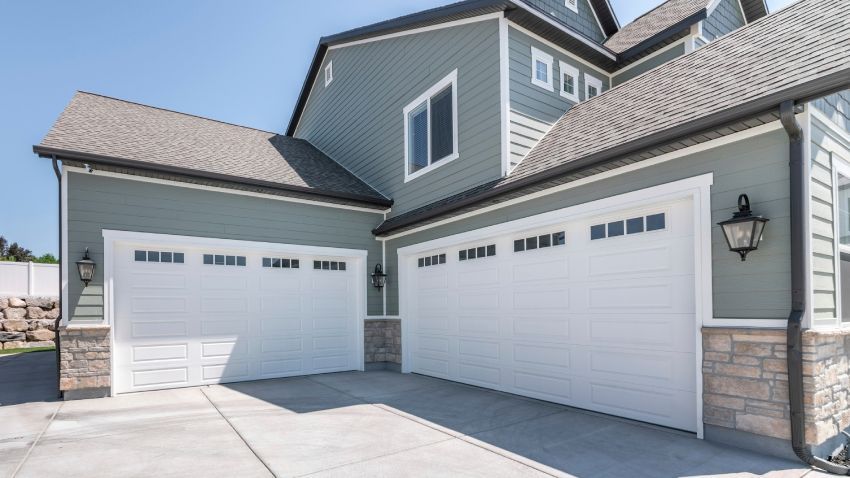
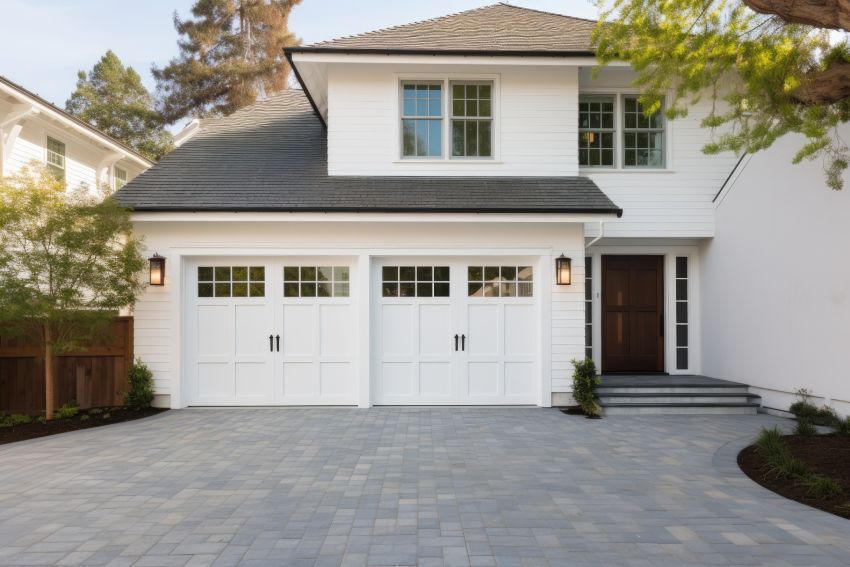
A painted garage door can complement the home’s exterior by using suitable colors and finishes that work well with the surface, giving the garage a cleaner, more finished appearance. For many homeowners, it’s a simple upgrade that makes the door feel like it belongs, not like an afterthought.
What to Know Before Painting a Garage Door
Before you start painting, there are a few key things to think through that can make the job smoother and help the finished door hold up better over time.
- Know your door material: Metal, wood, and vinyl surfaces all need different prep and paint products.
- Check the surface first: Look for peeling paint, rust, or rough spots that need attention before painting.
- Decide between paint or stain early: The wrong choice can lead to poor coverage or faster wear.
- Choose color carefully: Make sure it works with your home’s exterior, trim, and overall style.
- Plan prep time: Good preparation matters just as much as the painting itself for long-lasting results.
Taking care of these details upfront helps avoid common problems and sets you up for a cleaner, more durable result.
Steps for Painting a Garage Door
Before starting the step-by-step instructions, it helps to understand the surface you’re working with. Painting a metal garage door requires different preparation than wood, particularly when primer is involved.
Understanding when to prime, how many coats to apply, and which finish works best helps prevent mistakes and leads to a smoother result.
Step 1: Gather the Right Paint and Supplies
Before any paint is opened, take a few minutes to set up your workspace properly. Painting tends to go sideways when people start without everything they need close by. A little planning here keeps the job calm and controlled.
- A quality paint brush for edges, panel lines, and detailed areas
- A roller for covering larger sections efficiently
- A drop cloth to protect the driveway, walkway, and nearby surfaces
This is also the point where it pays to think through your paint choice. Different door materials handle paint differently, and color matters just as much as the product itself. Many homeowners match the garage door to window trim using a shade slightly lighter or darker, while others prefer the door to blend into siding or brick so it doesn’t stand out. Once your supplies and decisions are set, the rest of the job tends to move more smoothly.
Step 2: Prepare the Garage Door Surface
This step takes patience, but it’s where the job really begins. Paint only sticks as well as the surface underneath it, so skipping prep almost always leads to problems later.
- Use sandpaper to smooth out rough spots and worn areas
- Remove any sections where old paint starts to peel
- Continue until the door feels even and forms a smooth surface
Start by cleaning the door thoroughly to remove dirt and buildup, then allow it to dry fully. Once the surface is clean and even, run your hand lightly across the panels. If it feels inconsistent now, it’ll look worse once paint goes on.
Step 3: Protect the Surrounding Areas
Before painting begins, it’s important to shield anything nearby that shouldn’t get painted. Overspray and drips are hard to undo once they dry.
- Cover the ground and nearby surfaces completely
- Mask off trim, siding, and hardware
- Double-check edges and corners before starting
Taking the time to block off these areas helps preserve the rest of the home and keeps the finished result looking intentional instead of rushed.
Step 4: Choose the Right Weather Conditions
Outdoor painting is as much about timing as technique. Even a well-prepped door can end up uneven if conditions aren’t right.
- Aim for mild temperatures and low humidity
- Avoid strong winds that can carry debris into wet paint
- Try to work when the door isn’t sitting in direct sunlight
Painting usually takes more than one day, so it’s worth checking the forecast ahead of time. Paint needs time to level and settle, and the right conditions make that much easier.
Step 5: Apply the Paint Properly
When it’s time to paint a garage door, slow and steady is the goal. This isn’t a race, and trying to move too fast usually creates more work later.
- Start at the top so excess paint doesn’t run down over finished areas
- Work paint carefully into each recess before moving to flat sections
- Apply the first coat evenly and pause to catch any forming drip
Begin with inner panels, then move outward. Step back every few minutes and look at the door from a slight angle. It’s much easier to fix uneven spots while the paint is still wet than after it dries.
Step 6: Allow Proper Drying Time Between Coats
Once the first coat is down, patience matters. Rushing this stage often leads to uneven texture or peeling later on.
- Allow paint to dry fully before inspecting coverage
- Touch up thin or uneven areas as needed
- Apply a second coat only after the surface has set properly
Waiting the full recommended time between coats helps the finish level out and last longer. A steady approach here usually shows in the final result.
Common Mistakes to Avoid When Painting a Garage Door
Even with the right tools and a solid plan, a few common missteps can undo all the work you’ve put into painting a garage door.
- Skipping prep work: Paint won’t hold if dirt, loose paint, or rough spots are left behind. Prep is what keeps the finish from failing early.
- Painting in the bad weather: Heat, humidity, or wind can cause uneven drying and visible marks. Timing matters more than most people expect.
- Rushing between coats: Applying the next coat too soon often leads to peeling or streaks later on.
- Overloading the brush or roller: Too much paint at once causes runs and uneven coverage that’s hard to fix once dry.
- Ignoring edges and panels: Panel lines and corners need just as much attention as flat sections to keep the door looking even.
Avoiding these issues helps the paint go on smoother and keeps the finished door looking clean and consistent for years to come.
When Painting Your Garage Door Isn't Enough
Painting can make a big visual difference, but there are times when a garage door’s issues go beyond what a new coat can reasonably fix.
- Visible damage or warping: Dents, bent panels, or sections that no longer sit flat will still show through paint and affect how the door looks and operates.
- Ongoing rust or deterioration: If corrosion keeps coming back, paint may only cover the problem temporarily instead of stopping it.
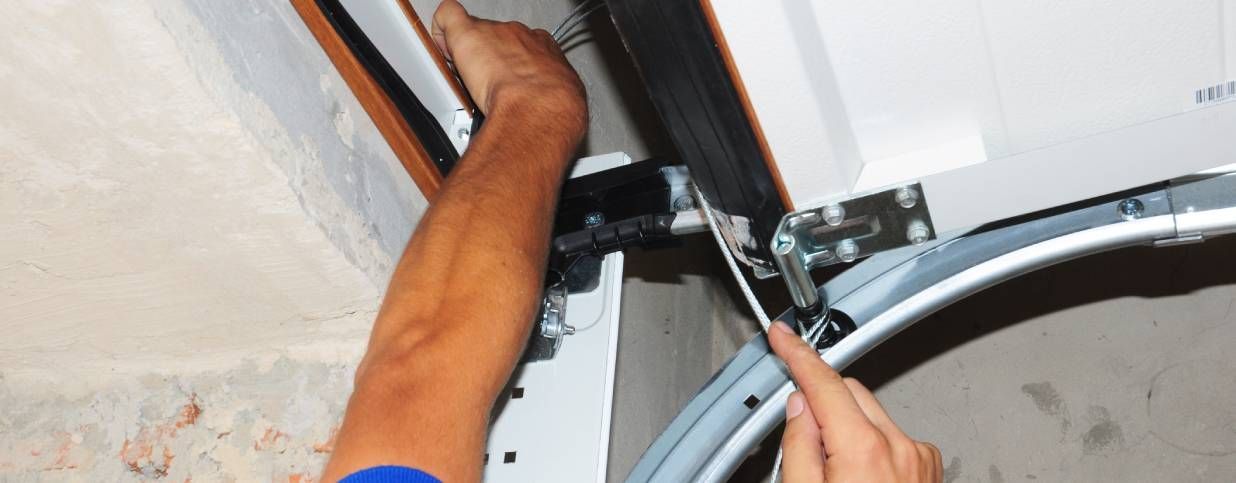
- Operational issues: Doors that stick, shake, or struggle to open smoothly often have underlying mechanical or structural problems that paint won’t solve.
In these cases, repainting may improve appearance briefly, but addressing the condition of the door itself usually leads to better long-term results for the home.
Final Thoughts on Painting a Garage Door for Curb Appeal
Painting a garage door can be a simple way to refresh the look of your home when the door is still in good condition. With the right prep, materials, and timing, paint can help the door blend better with the rest of the exterior and clean up years of wear. Like most home projects, the result depends on patience and attention to detail more than speed.
That said, paint isn’t always the right answer. If the door has structural issues, ongoing rust, or operational problems, repainting may only be a short-term fix. Taking an honest look at the condition of the door before starting can save time, effort, and frustration down the road.
Contact Tri-Lakes for Help With a Painted Garage Door
If you’re unsure whether paint is the right move or it might be time to consider other options, the team at Tri-Lakes Garage Doors is always happy to help. Contact us to talk through your situation and get straightforward advice before moving forward with painting a garage door.
Share this article!