Signs You Need Garage Door Motor Repair
By Jim Hatley, August 24, 2026
A garage door motor may need repair when the door moves slowly, shakes, stalls, makes unusual noises, responds inconsistently, reverses unexpectedly, or operates without a command. Some of these symptoms can also be caused by the springs, tracks, rollers, sensors, or electrical components.
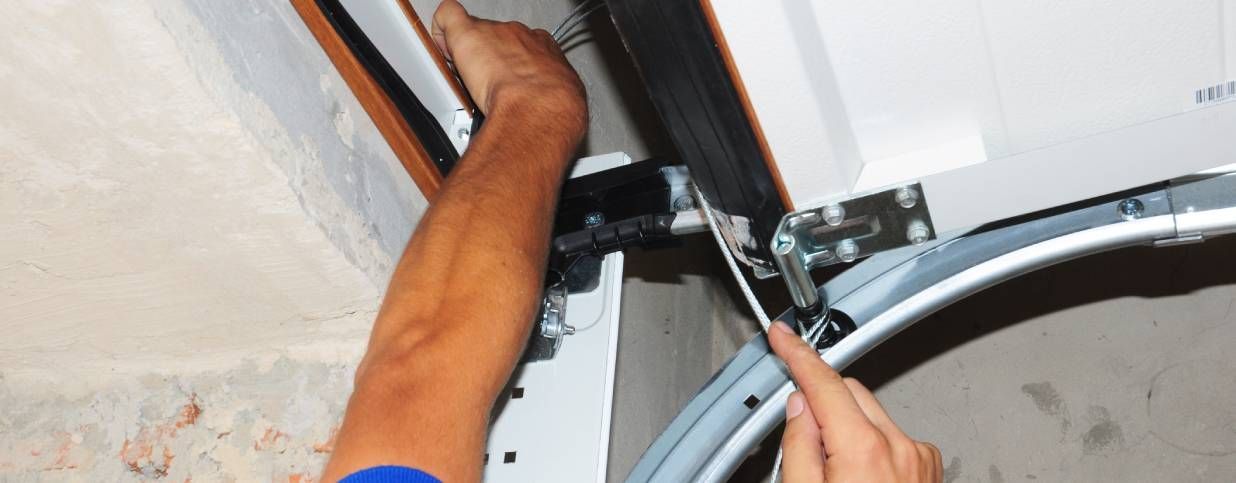
Before attempting to fix a garage door motor, check simple items such as the remote batteries, power supply, and safety sensors. Do not disconnect, adjust, or repair springs, cables, or other components under tension. A professional inspection can identify whether the motor needs repair or whether another part of the
garage door system is causing the problem.
What Should You Check Before Repairing a Garage Door Motor?
If your garage door will not open or close, begin with a few basic checks:
- Confirm that the opener is connected to power
- Replace the remote-control batteries
- Test the wall-mounted control
- Check whether the garage door is manually locked
- Remove anything blocking the door
- Clean the safety-sensor lenses
- Confirm that the sensors face each other
- Look for an obviously disconnected trolley
If these steps do not solve the problem, stop operating the door and arrange an inspection. A door that feels unusually heavy, hangs unevenly, or has a damaged spring or cable should only be handled by a trained garage door technician.
The Garage Door Shakes or Moves Unevenly
A garage door that shakes or moves unevenly may have problems with its tracks, rollers, springs, cables, or opener. The motor may strain when another component prevents the door from moving smoothly.
Possible causes include:
- A damaged or broken spring
- Bent or misaligned tracks
- Worn or damaged rollers
- Loose hardware
- A damaged cable
- An opener or motor problem
Do not continue operating a door that shakes severely, hangs unevenly, or appears unstable. A technician can inspect the complete system and determine which component needs attention.
The Door Opens Much Slower Than Usual
When your garage door opens much more slowly than usual, you should check the chain and trolley. If they are dirty or damaged, you should clean them with a brush and lubricate them with a little oil to get them working as well as new.
If this does not work, the door springs may need to be inspected. Garage door springs are under extreme tension and can cause serious injury. Do not attempt to adjust or replace them yourself.
Contact a trained garage door technician to inspect the springs and complete any necessary repairs or replacement.
You also need to make sure that there is nothing wrong with your motor or sensors. The motor may be malfunctioning if it's making unusual noises when it starts up or stops operating suddenly. It may need to be replaced altogether or just some maintenance work done on it (depending on how old it is).
Look for any loose cables leading into or out of the motor itself. Fixing them will restore normal functionality - provided everything else has been checked first.
The Door is Off its Track
If your garage door is off track and not closing properly, it can be a sign that:
- It was knocked by a car (Check if the tracks have any dents or bends, as this can cause problems with your garage door)
- The garage door spring is broken
- The garage door cable snapped
Whatever caused the door to go off its tracks, ignoring the problem could lead to serious injuries.
The Garage Door Motor Makes Unusual Noises
A garage door opener motor normally makes some sound, but grinding, scraping, humming, or other new noises may indicate worn internal components or increased strain on the opener.
Noise may also come from the rollers, hinges, chain, belt, or tracks. Use only a garage-door lubricant recommended by the door or opener manufacturer. If the noise comes from the opener housing or continues after routine maintenance, arrange a professional inspection.
The Garage Door Opener Responds Inconsistently
A working opener should respond when you use the remote, keypad, or wall control. If you must press a button repeatedly or the opener responds only sometimes, start by replacing the remote batteries and testing another control.
If the problem affects multiple controls, the garage door opener motor, receiver, wiring, or circuit board may need attention. A technician can test the system and determine whether it is possible to repair the garage door motor or another electrical component.
The Garage Door Reverses Unexpectedly
A door that begins closing and then reverses may have dirty, blocked, or misaligned safety sensors. Check whether an object is blocking the opening and gently clean the sensor lenses.
If the sensors appear clear and properly aligned but the problem continues, the opener settings, wiring, circuit board, or motor may need professional testing. Do not disable the safety sensors to make the door close.
The Garage Door Opens or Closes Without a Command
A garage door that operates without someone using the remote, keypad, or wall control can create security and safety concerns. Possible causes include a stuck remote button, wiring problems, signal interference, or a faulty opener circuit board.
Check the remotes and wall control for stuck buttons. If the cause is not clear, disconnect the opener from power when it is safe to do so and contact a technician for an inspection.
What Causes a Garage Door Motor to Fail?
A garage door motor can fail because of age, frequent use, overheating, electrical problems, worn internal components, or excessive strain. The motor may also work harder than intended when the door is improperly balanced or when the tracks, rollers, springs, or cables are damaged.
Common contributing factors include:
- Normal wear from repeated opening and closing
- A heavy or poorly balanced garage door
- Damaged springs, tracks, or rollers
- Worn gears, chains, belts, or trolley components
- Electrical or circuit-board problems
- Incorrect opener installation or adjustment
- Limited maintenance
- Temperature-related strain
Regular inspections can identify developing problems before they place additional stress on the garage door opener motor.
How Much Does Garage Door Motor Repair or Replacement Cost?
Garage door motor repair costs vary depending on the opener model, the failed component, parts availability, labor required, and whether the complete opener needs replacement. A minor opener repair may cost significantly less than installing an entirely new system.
If the opener is older or requires several replacement components, replacing the complete unit may provide better long-term value. Tri-Lakes Garage Doors can inspect the system and provide an estimate based on the specific opener and garage door.
When to Replace a Garage Door Opener vs. Repair It
Knowing when to replace a garage door opener versus opting for a repair can save you both time and money. If your garage door motor is making unusual noises or struggling to open or close the door, it may just need a simple repair. For example, issues like misaligned garage door tracks, loose cables, or worn-out safety sensors can often be resolved by a garage door technician without needing a full replacement.
However, if the garage door motor has significant wear and tear, especially after 10-15 years of use, you might need to replace the opener. Modern garage door openers also come with enhanced safety features, such as smart controls and better energy efficiency, which might make a replacement a better option. If your garage door opener is failing despite multiple repairs or no longer meets your needs, investing in a new system may be the more cost-effective and convenient choice in the long term.
Garage Door Motor Repair FAQ
Can a Garage Door Motor Be Repaired?
Some motor and opener problems can be repaired, depending on the damaged component, opener model, parts availability, and overall system condition. A technician can inspect the opener and determine whether a repair or garage door motor replacement is the better option.
Why Is My Garage Door Motor Running but the Door Is Not Moving?
The trolley may be disconnected, or the opener may have a damaged gear, chain, belt, or other drive component. A broken spring can also prevent the opener from lifting the door properly. Stop operating the system and request an inspection.
How Do I Know Whether the Motor or Spring Is the Problem?
A broken or damaged spring can make the door unusually heavy, uneven, or difficult to move manually. Motor problems may cause delayed responses, unusual opener noises, or inconsistent operation. Because the symptoms can overlap, a professional inspection is the safest way to identify the cause.
Can I Fix a Garage Door Motor Myself?
Homeowners can check the power supply, remote batteries, obstructions, and safety sensors. Repairs involving the motor housing, electrical wiring, springs, cables, or other tension-loaded components should be completed by a trained technician.
Request a Garage Door Motor Inspection
If your garage door moves slowly, stalls, makes unusual noises, or responds inconsistently, Tri-Lakes Garage Doors can inspect the opener and the complete door system. We will identify whether the problem involves the motor, sensors, tracks, rollers, springs, or another component.
Contact Tri-Lakes Garage Doors to request an inspection and determine whether your garage door motor needs repair or replacement.
Share this article!