Types of Garage Door Springs: Torsion vs Extension
By Jim Hatley, November 19, 2026
The two main types of garage door springs are torsion springs and extension springs. Torsion springs mount above the door and twist to lift it. Extension springs run along the horizontal tracks on both sides, storing energy as they stretch and releasing it to help lift the door. Most modern doors use torsion springs because they last longer and have fewer exposed parts.
A broken spring can damage your property and cause serious injury, so it pays to know which type your door has. Below, we break down how each one works, the pros and cons, and how they compare on cost.
Garage Door Torsion Springs
Garage door torsion springs are commonly used and rely on torque to perform their function. These springs are popular because they’re durable and have longer life spans.
How does a torsion spring work?
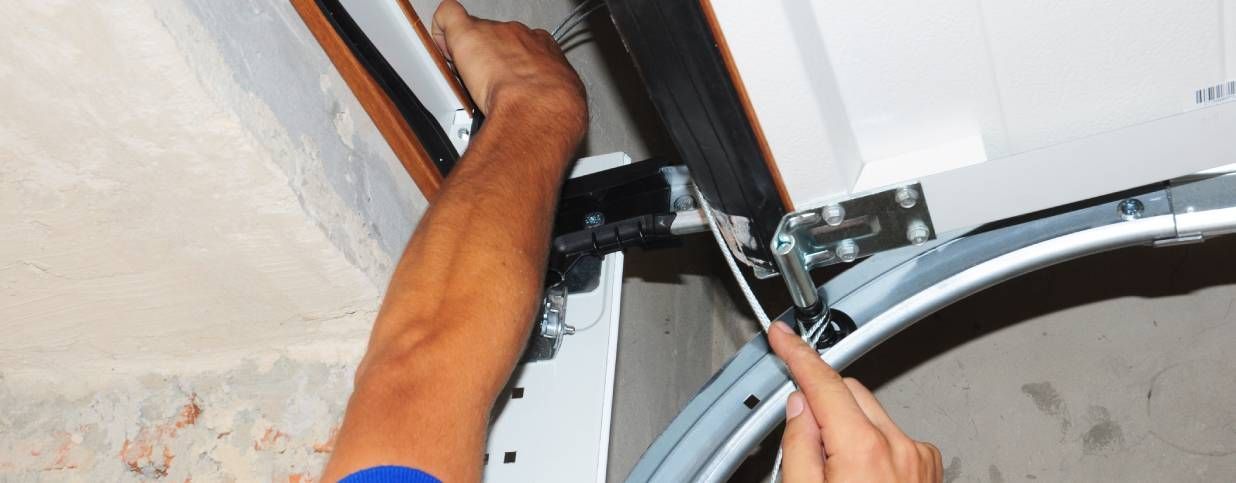
Torsion springs use torque - a twisting or rotating movement. When you open or close a garage door manually or automatically, the coil twists and coils on the shaft.
You can get a variety of different torsion springs; as a result, you’ll need to check the size and opening dimensions of your garage door to choose the perfect one.
Torsion springs are usually used on sectional garage doors (a hinged panel type door). Most sectional doors use one or two torsion springs, depending on the weight and size of the door.
Why Torsion Springs Are Preferred for Garage Door Opener Systems
In modern garage door systems, torsion springs are often preferred due to their durability, smooth operation, and ability to handle heavier doors.
- Durability and Strength: Compared to extension springs, torsion springs are stronger and last longer. While torsion springs are mounted above the door and twist to provide lifting force, extension springs stretch and are more prone to wear over time. A standard torsion spring can last up to 20,000 cycles, making it ideal for residential and commercial use.
- Better Balance: A torsion spring system provides better balance and smoother operation. This is especially important for garage door opener systems, as it reduces stress on the motor, ensuring the system lasts longer.
- Fewer Exposed Parts: Torsion springs have fewer exposed parts, which means they require less maintenance. They are typically installed at the top of the door, making them safer for homeowners who may not want to deal with frequent maintenance.
Choosing the right spring system for your garage door can greatly improve both functionality and safety, making torsion springs the go-to option for most homeowners.
Garage Door Extension Springs
Garage door extension springs use extension to perform their function and are usually found in the horizontal tracks on both sides of a garage door.
Extension springs are also a great alternative to torsion springs since they can be easily placed even when there is low headroom for torsion springs.
How do extension springs work?
Extension springs stretch when the door is closed and shorten as it opens. At full stretch, they carry the most tension, which is why they should always be paired with safety cables.
Since the springs experience a large amount of force, there must be safety precautions in place during installation. You’ll notice that extension springs are often paired with safety cables. These safety cables need to remain in place at all times since any movement can result in the spring shooting loose.
Safety cables prevent the extension spring from breaking free and injuring you and your family members.
Extension springs are less common in newer installs since they can be complex to assemble and require regular maintenance.
How to Measure Garage Door Springs Accurately
When selecting the correct type of spring for your garage door, accurate measurement is essential to ensure the system functions safely and smoothly. Garage doors rely on precise spring systems, and measuring them properly is crucial.
- Torsion Spring System Measurement: For standard torsion springs, a technician measures the wire size, inside diameter, length, and winding direction once the tension has been safely released. The exact size of these measurements will vary based on the weight of the garage door.
- Extension Springs Measurement: For garage door extension springs, a technician measures the wire size, inside diameter, and length after the springs have been safely unloaded. No one should measure a spring on a closed door. It’s also important to ensure you have one spring on each side of the door, as extension springs work in pairs.
Correct measurements are essential to ensure that the springs can handle the weight of the door, preventing damage to your garage door system. Because door weight determines the correct spring, always have a garage door professional measure and choose it for you.
Torsion vs. Extension Springs: Which Type Is Better for Your Garage Door?
Both extension and torsion springs experience tremendous force when they’re functioning; as a result, you need to ensure that they are well-maintained. Springs are crucial garage door components that require inspections every now and then.
Letting a worn spring fail usually costs more than replacing it on schedule. A sudden break can damage your door, strain your opener, and hit a parked car or stored items, and it leaves you with a door that will not open.
How do you know which spring is right for your garage door?
It all depends on your budget and needs.
Extension springs are usually more affordable; consequently, they’re still found in many homes, though they are less common in newer installs. The drawback here is that extension springs have a much shorter lifespan.
On the other hand, torsion springs are on the higher end of the price scale, but since they have fewer exposed parts, they are also more durable and last much longer than extension springs.
Common Signs Your Garage Door Springs Need Replacement
Over time, garage door springs wear out due to repeated use. Recognizing when your springs need replacing can prevent damage to the garage door system and ensure safety.
Here are common signs of a broken spring or one that’s nearing the end of its life:
- Uneven Door Opening: If your garage door opens unevenly or fails to open smoothly, it may indicate that one of the springs has failed or is worn out.
- Loud Noises: A garage door opening with a loud bang or squeal often points to a broken spring.
- Door Fails to Stay Open: If your door closes unexpectedly after being raised, or it doesn’t stay fully open, it could be a sign that the torsion spring system or extension springs are no longer functioning properly.
- Visible Damage to Springs: If you can see rust, corrosion, or gaps in the torsion springs, they are likely on the verge of breaking.
Always consult a garage door service technician to replace any broken springs, as attempting to fix them on your own can be dangerous.
The Importance of Garage Door Spring Maintenance for Safety
Maintaining your garage door spring system is crucial for ensuring the safety of your home. Both extension springs and torsion springs are under constant pressure, and without regular maintenance, they can fail suddenly, causing significant damage or injury.
- Lubrication and Inspection: To keep your garage door system operating smoothly, regularly inspect the springs on each side of the door for signs of wear, such as rust or stretched coils. Lubricating your springs with a silicone-based spray helps reduce friction and prolongs their lifespan.
- Safety Cables for Extension Springs: If your garage uses extension springs, ensure that safety cables are installed. These cables help secure the springs in case they snap, preventing them from flying off and causing injury. Extension springs store energy differently than torsion springs, making them more prone to sudden breaks if not maintained properly.
Annual inspections by garage door professionals can help you spot any issues early, ensuring your springs are safe and functional.
Frequently Asked Questions About Garage Door Springs
How Many Types of Garage Door Springs Are There?
There are two main types of garage door springs: torsion springs and extension springs. Torsion springs are typically mounted above the garage door and use twisting force to help lift it. Extension springs run alongside the horizontal tracks and stretch and contract as the door opens and closes.
Which Type of Garage Door Spring Is Best?
Torsion springs are the better choice for most homes. They last longer, run more smoothly, and have fewer exposed parts. Extension springs cost less up front but wear out sooner and need safety cables.
How Long Do Garage Door Springs Last?
Most garage door springs are rated for 10,000 to 20,000 cycles. One cycle is one full open and close of the door. If you use your door four times a day, that is about 1,460 cycles a year, so a 10,000-cycle spring lasts roughly seven years and a 20,000-cycle spring roughly 14 years.
Torsion springs usually outlast extension springs. Heavy daily use, rust, and a lack of lubrication all shorten spring life, so a yearly garage door repair and maintenance check helps you replace springs before they break. For a full routine, read our guide to garage door maintenance.
Can I Replace a Garage Door Spring Myself?
No. Garage door springs are under very high tension and can cause serious injury if mishandled. Leave replacement to a trained technician, and read about the toughest issues arising from DIY garage door repairs before you try any repair.
How Do I Know Which Garage Door Spring I Need?
Check where the spring sits. Springs above the door on a metal shaft are torsion springs. Springs along the side tracks with a loop at each end are extension springs. A technician measures the wire size, coil diameter, and length to match the right replacement.
Should I Replace Both Garage Door Springs If Only One Breaks?
In most cases, yes. Springs work as a pair and wear at a similar rate, so a new spring beside an old one can leave the door unbalanced. Replacing both helps the door run evenly.
Garage Door Spring Repair in Colorado Springs
Not sure how to replace a garage door spring? Please do not try it yourself. A broken spring needs a professional garage door technician like Tri-Lakes Garage Doors.
We specialize in garage door spring repair, garage door opener maintenance, and general repairs and maintenance for homes and businesses. Tri-Lakes Garage Doors is family-owned, and our team brings more than 20 years of combined experience to diagnosing and fixing any problem with your garage door system.
If you need garage door spring repair in Colorado Springs, Monument, or anywhere along the Front Range, or want to upgrade the entire garage, request an estimate from Tri-Lakes Garage Doors. We will help you understand the types of garage door springs and choose the best one for your home or business.
Share this article!