Step-by-Step Garage Door Installation Guide
By Jim Hatley, September 5, 2023
This is a subtitle for your new post
A brand-new garage door installation can significantly improve your home's use and exterior appeal. Understanding the process will help you install a new door or replace an old one. We'll walk you through every stage of the garage door installation procedure in this step-by-step blog post to ensure everything goes smoothly.
Preparing For a Garage Door Installation
There are a few necessary steps to take before beginning the installation process:
- Measure and Choose: Measure the opening where the garage door will be put before making your choice. Pick a garage door design that reflects your preferences and the architectural style of your house.
- Clear the Area: If required, remove the old garage door and ensure the area around the opening for the garage door is free of any obstructions.
- Safety Gear: Put your safety first by arming yourself with appropriate protective gear, gloves, and safety glasses. Additionally, gather all the installation-related equipment and supplies.
Tools and Equipment You’ll Need
- Drill and Bits: Used for securing brackets, hinges, and hardware during the installation.
- Level: Makes sure every section of the door sits straight and lines up properly.
- Tape Measure: Helps confirm the right width, height, and track spacing.
- Wrench or Socket Set: Tightens bolts and nuts without stripping the hardware.
- Stepladder: Gives you safe access to the upper tracks and torsion spring.
Assembling and Installing
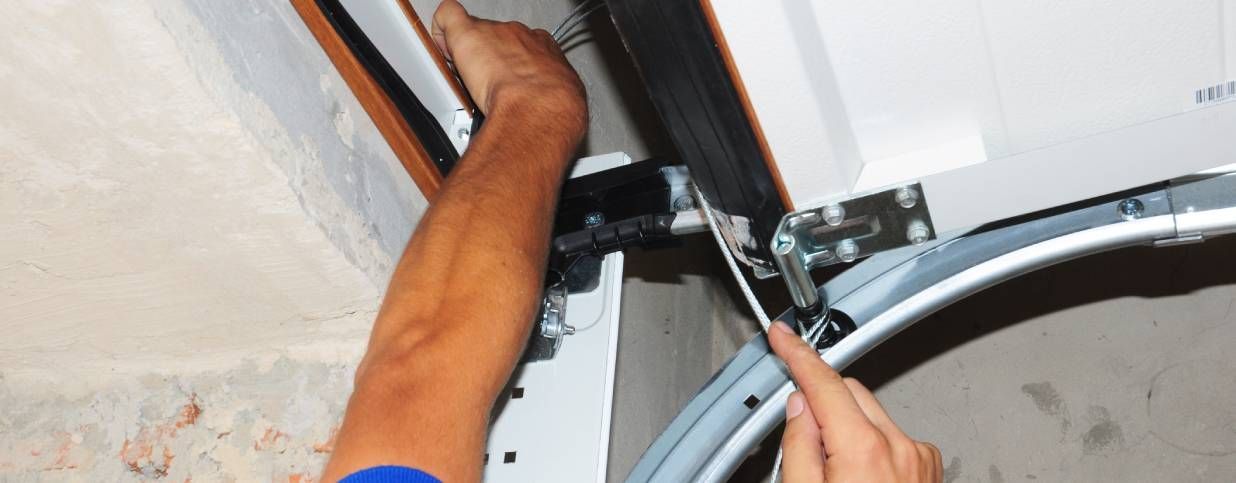
- Setting up the Tracks: Attach the vertical and horizontal tracks to the garage door frame as per the manufacturer’s instructions. Make sure they are firmly fastened and level.
- Install the torsion or extension springs, depending on the style of the garage door. Because these springs hold a lot of tension, use caution when working with them. Serious property damage, bodily injury, and even death can occur if the garage door springs
- Install the Panels: Carefully put together the garage door panels as per the manufacturer's instructions. Attach the panels' hinges before securing the rollers to the track.
- Place the garage door panels onto the track with a friend's assistance. Ensure there is no binding or rubbing, and they are correctly aligned.
Setting Up the Tracks for Your New Garage Door
One of the most important parts of installing a new garage door is setting up the tracks correctly. The vertical track and horizontal track guide the door sections as they move, keeping the system steady and helping the door open and close smoothly. Even a small alignment mistake can cause issues later, so take your time and follow the manufacturer’s instructions carefully.
Installing the Vertical Tracks
Start this step of the garage door installation process by checking the door frame and floor for level. Once that’s done, you can begin mounting the tracks.
- Attach the bracket to the header and jamb to hold each vertical track securely.
- Position the track along either side of the door opening, ensuring it’s plumb.
- The track should run straight up and stay square with the center of the door.
Improper alignment can cause the rollers to bind or the garage door panel to slip off the track. If you’re doing a DIY garage door installation, double-check your work as you go and make small adjustments before tightening the hardware.
Installing the Horizontal Tracks
With the verticals secure, it’s time to connect the horizontal tracks. These help guide the door panels as they travel overhead when you raise or lower the door.
- Attach the horizontal tracks toward the back of the garage using strong support brackets.
- Make sure they’re level and have enough headroom for the new door to move freely.
- Tighten everything down according to the manufacturer’s instructions to avoid strain on the rollers.
Misaligned tracks can cause the door opener to work harder than it should, adding stress to the garage door springs and shortening their lifespan.
Securing Hardware and Checking Alignment
Once all the tracks are in, do a full check before moving on.
- Tighten each hinge, bracket, and bolt so nothing shifts out of place.
- Confirm the bottom panel sits flush with the floor.
- Look over both sides to ensure the tracks align evenly.
When everything’s tight and straight, the garage door is installed properly and ready for the next step. If anything feels off or out of line, it’s best to call a professional for help or a trusted garage door company to inspect it before continuing.
Balancing and Adjusting the Garage Door System
- Balance the Door: Adjust spring tension to balance the garage door. This action is essential for efficiency and security.
- Verify Door Alignment: Ensure that the door is straight and level. If required, adjust the tracks and rollers.
- Check the Balance: You can check its balance by physically opening and closing the garage door. There should be no resistance as it moves.
How to Balance a Garage Door: Adjusting Spring Tension
Balancing your residential garage door is a critical step in ensuring it operates safely and efficiently. When a garage door may feel heavier than usual or doesn't stay in position, it's usually because the torsion spring system needs adjustment. Springs are essential to offsetting the door weight and ensuring the door opens and closes smoothly without straining the garage door opener.
- Locate the torsion spring: You’ll find it mounted above the center of the door on a metal shaft. Inspect it for wear or rust before making changes. A damaged spring should only be replaced by a professional garage door technician.
- Use the right tools: You’ll need a winding bar and basic safety gear, gloves, glasses, and a steady ladder. Avoid using improvised tools; they can slip or round off the set screws.
- Follow the manufacturer’s instructions carefully: Always turn the spring slowly, about a quarter-turn at a time, and keep a firm grip on the winding bar. Proper tension allows you to open the door halfway and have it stay in place without drifting.
- Work safely and test as you go: Springs are under extreme pressure, so take your time. Lift the door manually a few inches to check the balance. If it feels uneven, tighten or loosen slightly until the weight feels consistent.
- Know when to stop: If the garage door is installed but still drops or feels off-balance, the torsion spring may be worn out. That’s when calling professional help is the right move; it’s not worth the risk.
If you’re tackling a DIY garage door installation, take this part seriously. The torsion springs carry most of the door’s weight, and one slip can cause real harm. If you’re unsure or the door still feels off after adjusting, it’s best to call a trusted garage door company to handle it safely. A professional can check the spring system, make precise adjustments, or replace worn parts so your door stays balanced and runs smoothly for years.
Connecting and Testing the Garage Door Opener
- Install the Opener: Carefully follow the installation instructions when setting up the opener. Mount it securely to the ceiling, centered above the door frame, and connect the opener arm to the top section of the new door. Make sure the mounting brackets are strong enough to hold the motor’s weight, and install the cable neatly to avoid tangling or strain.
- Install Safety Sensors: Once the opener is in place, connect the wiring and install the safety sensors near the bottom of the door on both sides. They should face each other directly; if they’re misaligned, the door won’t close. These sensors are a key safety feature, stopping the door if anything gets in the way.
- Test the Opener: Test the system using both the wall switch and remote control to make sure the door opens and closes smoothly. Adjust the travel limits if the door stops short or pushes too far down. Place an object in the door’s path to confirm that the safety sensors reverse the door automatically.
If the opener strains, makes loud noises, or the sensors keep blinking, stop and call professional help. A trusted garage door company can inspect the setup and make quick adjustments so everything works safely and reliably.
Testing the Garage Door Opener: Remote and Wall Switch
Once the automatic garage door opener installation is complete, it’s crucial to thoroughly test the opener to ensure it functions correctly. This step ensures that the garage door may open and close without issues, enhancing both convenience and safety for your residential garage.
Test The Controls
Start by using the remote control and the wall switch to test the system. The door should move smoothly without jerking or stopping. Check that the opener responds promptly to commands from both the remote and the wall switch. If the door opener hesitates or doesn’t respond, go back and follow the manufacturer’s instructions carefully to inspect the wiring and sensor alignment. Many issues come down to loose connections or misaligned safety sensors near the bottom section of the door.
Check the Safety Sensors
Once the opener is responding properly, test the built-in safety system. Place an object under the door as it opens and closes to confirm that the garage door opener automatically stops and reverses when something blocks the path. If it doesn’t, make sure both safety sensors are facing each other directly and free from dust or debris. Misalignment can prevent the garage door installation process from working correctly.
Test the Backup Features
If your system includes a backup battery, test it as well. Make sure it powers the unit when unplugged and that you understand the installation instructions for replacing it when needed.
Regular testing keeps your garage door's installed system reliable and safe. If the opener strains, makes noise, or fails to reverse properly, it’s best to contact professional help from a trusted garage door company to check for wiring or sensor issues before continuing use.
Troubleshooting Installation Issues
- Problems can occur even with thorough installation. The following are a few typical troubleshooting steps:
- If your garage door is operating noisily, lubricate moving parts and look for any loose hardware.
- If the door closes unevenly, the tracks or the spring tension may need to be balanced.
- If the remote control isn't operating correctly, check the batteries and, if required, reprogram it.
- Check that the safety sensors are correctly aligned and unobstructed if they are giving you trouble.
- If the opener has issues, refer to the manufacturer's troubleshooting manual or get help from a specialist.
When to Call a Professional Garage Door Service
While many homeowners prefer a do-it-yourself approach, certain garage door installations or repairs are best left to a garage door professional. If you plan to install your new garage door but encounter challenges, knowing when to call for help can save time, money, and prevent serious injuries.
Some situations that may require a door service include problems with the spring system. Torsion springs carry extreme tension, and mishandling them during a DIY garage door installation can lead to severe injury. If you notice uneven closing, a door that's hard to lift, or excessive noise from the spring system, it’s time to seek professional help. Additionally, if your garage door opener installation doesn't seem to work as expected, a professional garage door service can troubleshoot issues related to wiring or sensor alignment.
A professional can also assist with ensuring your door sections and tracks are properly aligned and secure. Poor alignment during a diy garage door installation can cause your door to bind, increasing wear and tear on your system. Garage door professionals have the tools and expertise to address these issues efficiently, following detailed installation instructions that most homeowners may not have the experience to implement correctly.
In summary, while some projects, like aligning the tracks or following installation manuals, can be handled by the homeowner, more technical tasks, such as handling the torsion spring system, should always be left to a professional to ensure the door opens and closes safely.
Your garage door will work safely and smoothly if the installation was completed correctly. Contact
Tri-Lakes Garage Doors if you encounter any difficulties or prefer expert advice and installation. Thanks to our team of professionals, the best
garage door installation services are ready and available to you. Enjoy the comfort and security of a new garage door without the hassle of installing it yourself!
Contact Tri-Lakes Garage Doors for all your garage door installation requirements and questions. Every step of the journey, we're here to support you. Remember that a correctly installed garage door improves your home's utility, security, and appearance.
Share this article!